Global Capability Centers
Tailored to Your Business
We help global organizations set up high-impact GCCs in India, enabling cost efficiency, talent access, and innovation at scale.
Explore our GCC ServiceTrusted by Global Leaders
Industry pioneers who rely on our GCC expertise and services




13+ years of enabling high-impact GCC engagements in India for global enterprises.
Flexible Engagement Models

Build-Operate-Transfer (BOT)
The Path to Full Ownership, De-Risked
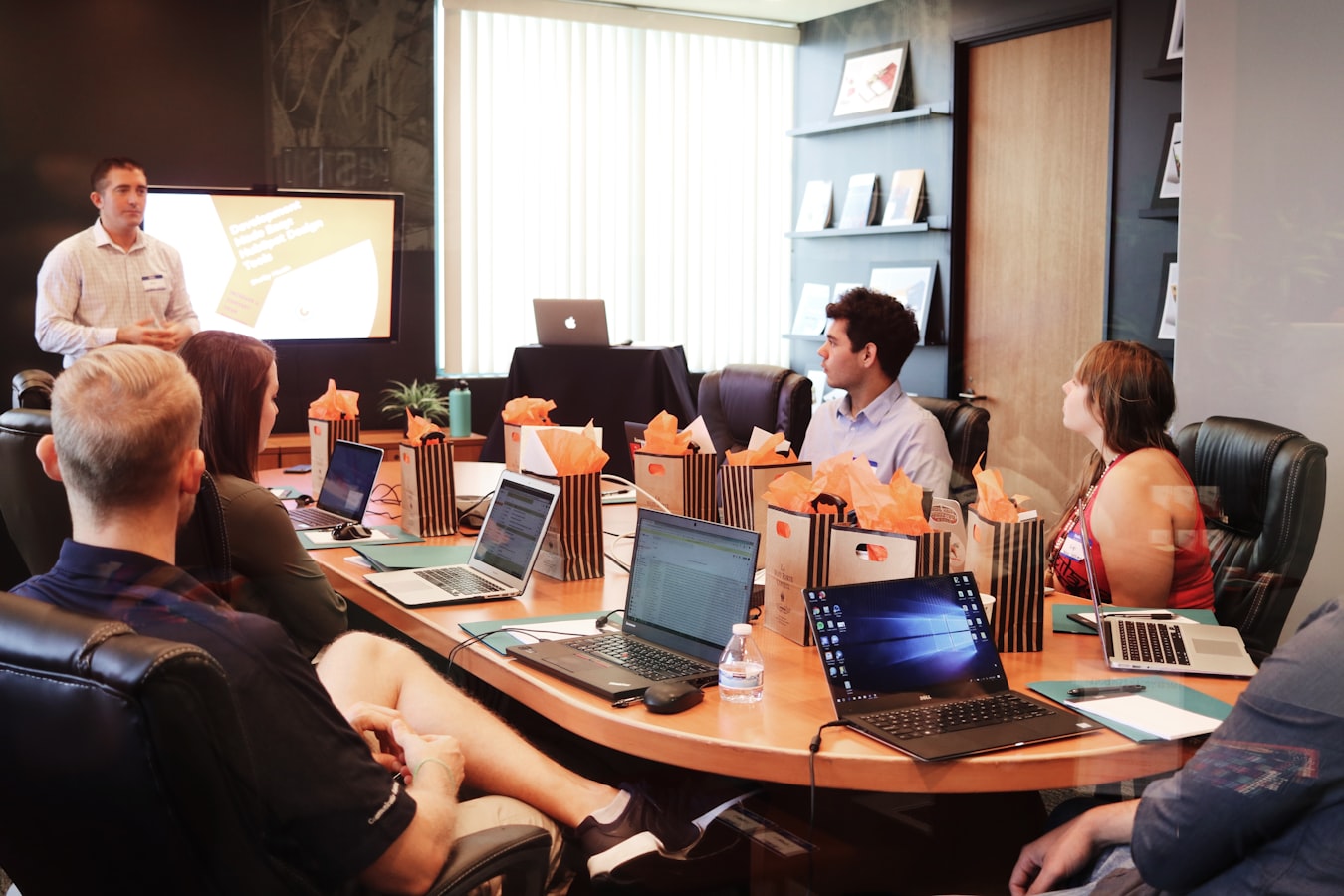
For organizations committed to building a long-term strategic asset, our Build-Operate-Transfer model offers a structured, secure pathway to establishing your own Global Capability Center. We leverage our expertise to build and stabilize your operations, mitigating upfront risks and accelerating your time-to-market. Once the center achieves peak performance, we orchestrate a seamless transfer, leaving you with a fully operational, high-performing global team.
Managed Teams
Your Elite Global Team, Managed for You
Access the world’s top tech talent without the complexities of global compliance, payroll, and infrastructure. Our Managed Teams model allows you to rapidly scale your capabilities with a dedicated, fully integrated team that we manage for you. We handle all operational aspects, allowing you to focus 100% on your core business objectives while benefiting from significant cost efficiencies and faster hiring timelines.
Our Specialized Company Portfolio
Explore our ecosystem of AI-driven and industry-specific specialized brands.

Custom AI agents and automation systems that streamline operations and integrate with enterprise systems at scale.
Visit Website
Salesforce and CRM transformation using AI-driven automation to enhance revenue operations and customer lifecycle.
Visit Website
Premium workspace and infrastructure leasing solutions designed for modern Global Development Centers and tech campuses worldwide.
Visit WebsiteDedicated full-stack development teams delivering end-to-end engineering solutions — from product ideation to deployment and beyond.
Visit Website
AI-driven career translation platform for the sports ecosystem — connecting athletes with meaningful professional opportunities.
Visit WebsiteEthical AI Solutions
Custom AI agents and automation systems that streamline operations and integrate with enterprise systems at scale.
Visit WebsiteAI-Powered CRM Excellence
Salesforce and CRM transformation using AI-driven automation to enhance revenue operations and customer lifecycle.
Visit WebsiteEnterprise Infrastructure
Premium workspace and infrastructure leasing solutions designed for modern Global Development Centers and tech campuses worldwide.
Visit WebsiteFull-Stack Dev Excellence
Dedicated full-stack development teams delivering end-to-end engineering solutions — from product ideation to deployment and beyond.
Visit WebsiteAI Career Translation
AI-driven career translation platform for the sports ecosystem — connecting athletes with meaningful professional opportunities.
Visit WebsiteGlobal Capability Centers GCC 2.0
Experience the evolution of global operations with our GCC 2.0 framework . We've redefined the model as a shift from “outsourcing for cost” to “building capability for advantage.” Our approach focuses on creating a strategic asset that owns outcomes, solutions, and IP—not just tasks. We provide the end-to-end solution to take your vision from strategy to a fully operational, high-performing global center with transparency and speed.
Elite Talent Access
Access elite skill sets and the top 2% of talent through our strategically located offshore centers in India for global enterprises.
Cost Optimization
Achieve at least 40% lower operational costs by leveraging labor arbitrage and streamlined execution models.
Enhanced Productivity
Experience over 30% higher productivity and retention with dedicated, in-house teams.
Accelerated Timeline
Accelerate project timelines by 30%, enabling more agile responses to evolving market dynamics.
What Our Customers are Saying
Our India-based Global Capability Center has been a fully integrated strategic partner for our organization since 2005. The ecosystem partners like SA Technologies have been instrumental in guiding GCCs through critical areas and driving meaningful impact.
Senior Executive
Global Retail Corporation
The Benefits Of Our Comprehensive Solution
Seamless Transition
Guided support from strategic planning to legal incorporation, ensuring a smooth transition at every step
Saves Time and Resources
Efficient processes that minimize the time and effort required for legal registration and operational setup, optimizing resource allocation.
Minimized Risks
Dedicated compliance with Indian regulations by our experts, significantly reducing risks associated with entering a new legal environment.
Focus on Business
Our services manage the legal and operational complexities, allowing you to concentrate on your core business strategies.
Pay-as-You-Go
A transparent "Pay-as-You-Go" pricing model that allows you to pay only for the services you use, ensuring simplicity and cost-effectiveness.
No Lock-In
Our "No Lock-In" policy offers flexibility, empowering you to make decisions that best suit your business needs as they evolve.
Our Partners
We collaborate with leading technology companies to deliver cutting-edge solutions
AWS
ServiceNow
Microsoft
Oracle
Salesforce
Ready to Build Your Global Development Center?
Establishing a Global Development Center in India or scaling your Offshore Development Center doesn't have to be complex. With SA Technologies as your trusted GCC consulting partner, you gain access to the talent, infrastructure, and insights needed to drive long-term business impact. Start your Global Development Center journey today with expert support, zero-capex models, and full operational control.